

Thick-gauge thermoforming, a versatile polymer processing technique, has emerged as a cornerstone in modern automotive manufacturing. By heating plastic sheets to a pliable state and molding them into complex shapes using vacuum pressure, this method combines cost efficiency, design flexibility, and lightweight properties. In the context of evolving automotive trends—such as electric vehicle (EV) adoption, sustainability mandates, and smart mobility—thick-gauge thermoforming plays a pivotal role. This article explores its applications, advantages, and future prospects within the automotive sector.

Key Applications in Automotive Engineering
1.Interior and Exterior Components
Thick-gauge thermoforming is widely employed to produce lightweight yet durable interior and exterior parts:
Dashboard Panels and Door Trims: Customizable textures and integrated features (e.g., air vents, wiring channels) reduce assembly steps.
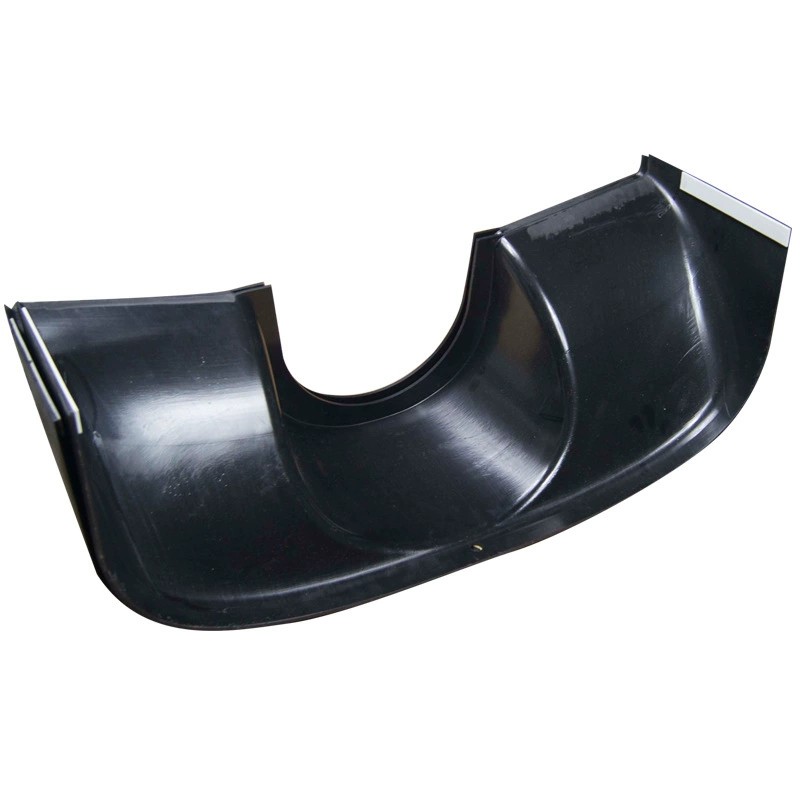
Bumper Skins and Wheel Arches: High-impact-resistant materials like ABS or polycarbonate blends enhance crashworthiness while minimizing weight.
Roof Liners and Sunshades: Thin-wall designs with acoustic insulation properties improve cabin comfort.
For EVs, thermoformed battery covers and aerodynamic underbody panels are increasingly adopted to optimize energy efficiency.
2.Structural and Functional Parts
Beyond aesthetics, the technology supports structural applications:
Seat Backing Systems: Reinforced thermoplastic sheets provide rigidity for seat frames, replacing traditional metal components.
HVAC Ducts and Airflow Systems: Complex geometries with smooth internal surfaces ensure efficient airflow management.
EV Battery Enclosures: Flame-retardant materials (e.g., PP-GF30) shield battery modules while meeting thermal and electrical safety standards.
Thick-gauge thermoforming is redefining automotive manufacturing through its blend of efficiency, adaptability, and eco-friendliness. As the industry shifts toward electrification and smart mobility, this technology will remain indispensable for meeting performance, cost, and sustainability targets. Continuous innovation in materials and processes ensures its relevance in the dynamic automotive landscape of the 21st century.